
Background: The Fraud Hiding in Plain Sight
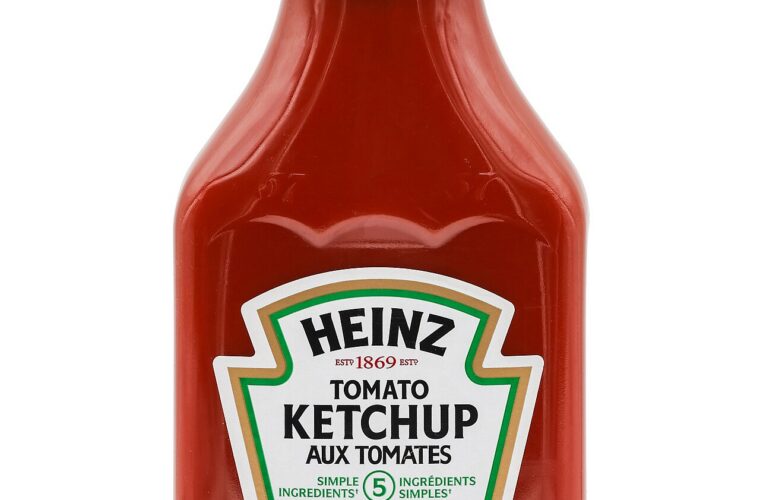
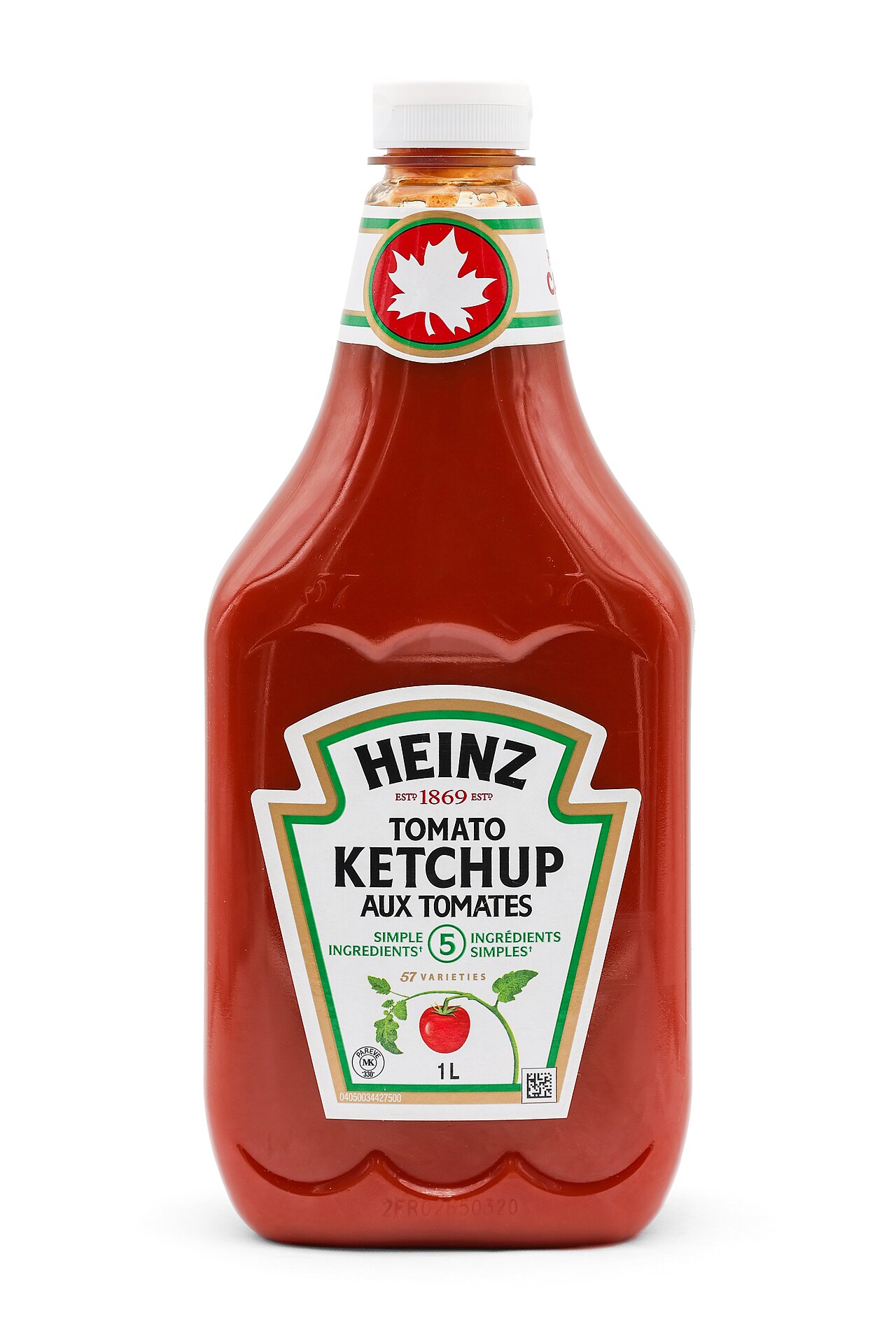
Heinz, a name that has been a synonym for the best ketchup for more than a century, was up against a widespread practice in the restaurant world. To cut costs, it had become common to refill empty, iconic Heinz glass bottles with cheaper, unbranded ketchup. Customers believed they were enjoying genuine Heinz and got a disappointment instead.
This phenomenon, which the brand christened “ketchup fraud”, did deep damage to Heinz’s reputation for quality, because customers blamed the missing flavour on Heinz.
Heinz understood that the only way to solve the problem was to bring consumers in and turn them into defenders of the brand’s quality. The goal was to convert an anonymous fraud into a viral social issue that would force restaurants to choose authenticity.
Campaign Description: Caught in the Act
The integrated “Ketchup Fraud” campaign, launched in 2023, flipped the whole story cleverly. Heinz decided not to hide the uncomfortable subject but to show it, with humour and very clear visuals.
Out-of-home and print work put restaurant staff front and centre, acting as though at a crime scene, decanting anonymous ketchup into Heinz bottles. That “caught in the act” aesthetic gave people an instant flash of recognition and stated the problem plainly.
The campaign did not stop at ad space. Consumers were pulled in on social media and encouraged to share photos and stories under the hashtag #KetchupFraud, from places where the Heinz bottle looked suspicious. A previously hidden scheme became publicly visible, and every restaurant customer became a kind of witness.
In some markets Heinz went a step further. In Turkey the brand worked with the Pantone colour system and added a separate colour-coded strip to bottle labels, matching the exact red of Heinz ketchup. This “Label of Truth” gave a clear visual checkpoint. If the shade did not match, there was reason to raise an eyebrow.
The creative agency Rethink Toronto set the bar very high with this work and won the Cannes Lions Creative Effectiveness Grand Prix for it.
Strategy: Three Moves
Heinz’s strategy was not to play it safe or quietly bury the problem. The brand deliberately took the position of putting its own weak spot in focus and turning it into evidence in favour of quality. The strategy rested on three directions.
Making the problem iconic. The aim was not only to talk about ketchup fraud, but to turn it into a clear, memorable phenomenon with a specific face and name. The visual language, which tied ketchup fraud to a crime scene, gave people a shared concept for talking about the situation and recognising it outside the campaign too.
Empowering the consumer. The brand did not keep the role of judge and investigator for itself. Focus moved to the consumer, who got the information and the tools to assess how restaurants behave. Social media mechanics turned every visitor into a potential witness, and their shared stories and photos started applying pressure to restaurants rather than to Heinz.
Physical transparency. The Pantone solution used in the Turkish market was not a flashy detail. It was part of a trust agreement with the consumer. A physical checkpoint on the bottle confirmed that the brand was prepared to back its promise to the millimetre, not just at the level of campaign messaging.
This 360-degree strategy spoke to end consumers, restaurants, and other business partners at the same time. Consumers got a voice and tools. Restaurants got a very clear signal that cost-cutting tricks were no longer invisible, and that pressure toward honest solutions would now come directly from the customer.
Results and Impact
The campaign was a marketing success that beat expectations both on social media and in directly measurable business results, confirming the strength of consumer loyalty.
Digital reach and engagement. In the campaign’s opening phase, social engagement rates ran 128 times higher than the brand’s averages, confirming that the subject mattered to consumers and was highly shareable. Consumer sentiment toward the campaign was overwhelmingly positive, reaching 92%. The campaign collected over 502 million impressions.
Business impact. The most important part was the direct effect on revenue. Despite growing price sensitivity in the market and consumers avoiding more expensive products, Heinz achieved 8% sales growth year on year in campaign regions. It showed that consumers are willing to pay for an authentic, quality product when they are convinced it is genuine.
B2B and end-user behaviour. The campaign had an immediate effect on how restaurants behaved. Fear of ending up publicly condemned under the #KetchupFraud label pushed restaurants back toward authenticity, which brought Heinz 33 new restaurant contracts in a short period. In the Turkish market the result was especially clear and measurable: thanks to the Pantone solution and consumer vigilance, non-Heinz ketchup being added in food outlets fell 73%, and Heinz consumption grew 24%.
Criticism
Although the campaign was commercially and creatively successful, it did not escape criticism entirely. The main criticism concerned the campaign’s aggressive tone and its effect on restaurants, who were forced to choose between economic pressure and brand authenticity.
Some marketing analysts pointed out that Heinz exploited the vulnerability of restaurants trying to get by through cost savings. Fraud is unethical, but the campaign’s public condemnation caused restaurants considerable reputational damage. Critics asked whether the brand’s aim was really to protect the consumer, or rather to maximise its own market share at competitors’ expense using social pressure as the lever.
The global applicability of the Pantone solution raised questions too. It was a smart answer in Turkey, but it does not transfer everywhere ketchup is served in different packaging, or where consumer awareness of Pantone colour codes is low.
Lessons Learned
Brave honesty. Owning a problem and making it public turns a potential reputational crisis into a marketing win.
Empower the consumer. Using social media and hashtags turns passive customers into active advocates. It creates organic, viral reach and strengthens the community.
Iconic creative. Because the campaign used the brand’s iconic elements, like the Heinz bottle, the “caught in the act” images were understood instantly.
B2B and B2C synergy. The campaign directed consumer pressure at business partners, which produced tangible commercial gain in new contracts and sales growth.
Physical transparency. Find ways to make brand promises physically verifiable, like the Pantone code. It raises perceived product quality and justifies a higher price.
With this campaign, Heinz proved that humour, transparency, and empowering the consumer can be far more effective than traditional marketing, turning brand defence into a global, viral, measurable success.
Frequently Asked Questions
What is the Heinz Ketchup Fraud campaign?
It is a 2023 campaign by Heinz and agency Rethink Toronto that publicised the practice of restaurants refilling branded Heinz bottles with cheaper unbranded ketchup, using crime-scene imagery and the hashtag #KetchupFraud.
Is refilling a Heinz bottle with another ketchup illegal?
It misrepresents the product to the customer, which is why Heinz framed it as fraud. The campaign’s power was that it did not rely on legal enforcement at all. It relied on customers noticing and saying something.
What results did the campaign achieve?
Over 502 million impressions, engagement 128 times above brand average, 92% positive sentiment, 8% year-on-year sales growth in campaign regions, and 33 new restaurant contracts. In Turkey, non-Heinz refilling fell 73%.
What is the Heinz “Label of Truth”?
A Turkish-market label featuring a Pantone-matched colour strip showing the exact red of genuine Heinz ketchup, so customers could compare it against what was actually in the bottle.
Related Reading on Shopping Scientists
- Ryanair vs Elon Musk: How to Turn an Insult into a Sales Campaign – another brand that made its weak spot the message.
- The $1.50 Costco Hotdog Since 1984 – a promise defended to the point of absurdity, and why it pays.
- Why Patagonia Sells Used Clothing and Offers Free Repairs – proof over messaging.