

Background: Adelaide’s Coffee Culture and the Corporate Threat
Australia’s café culture is world-renowned, favoring independent coffee shops and high-quality Italian-style coffee over big chains. Every small cafe in Adelaide reflects the local values of authenticity, quality, and community.
In November 2024, this balance was threatened when Retail Food Group (RFG) acquired beloved Adelaide café brand CIBO Espresso, with plans to rebrand it as Gloria Jean’s. The move sparked public backlash. Critics saw it as another example of a corporation undermining local culture. Social media, especially Reddit, filled with petitions and negative reactions. Even CIBO’s founder Roberto Cardone called the sale “terrible news.”
The Topbunk Small Cafe Campaign
Local marketing agency Topbunk, based in Norwood, responded quickly. They launched a bold campaign to highlight and celebrate every small cafe and independent coffeehouse in the area. Their message: local cafés won’t turn into chain stores.

Outdoor ads at bus stops and billboards carried cheeky slogans like:
- “Gilbert Social isn’t becoming Gloria Jean’s.”
- “There may be 20 CIBOs, but there’s only one Spellmans’ Social.”
The campaign cost $10,000, but participation was free for every small cafe that wanted to join. Topbunk positioned itself not just as an agency, but as a community advocate.
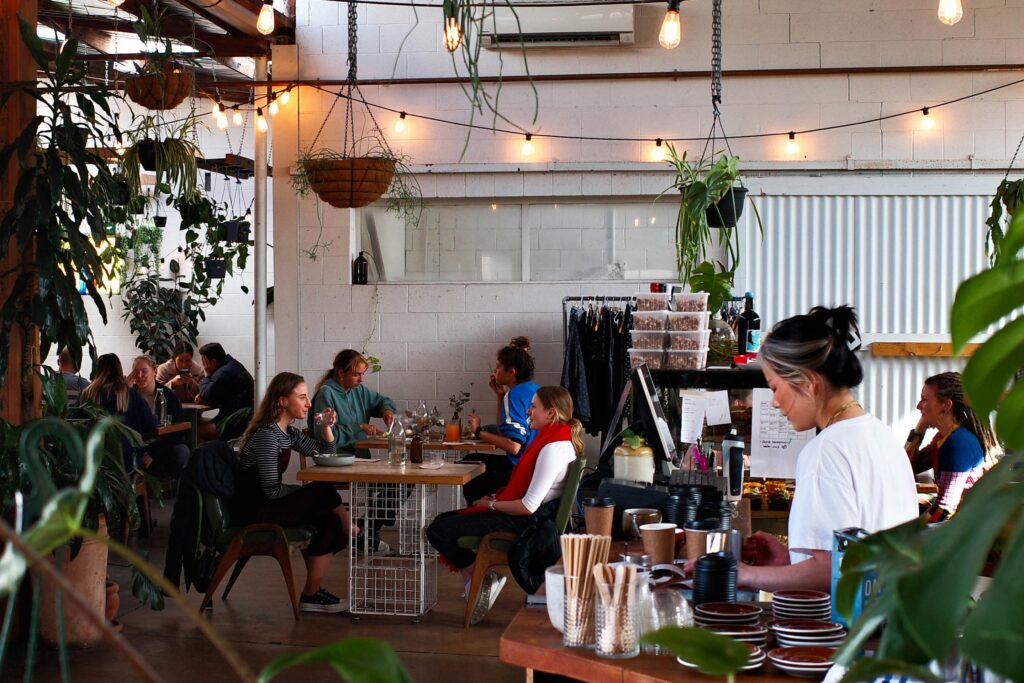
Topbunk’s Marcus Butler explained: “With this campaign, we wanted to amplify the voices of independent café owners and show what makes them unique. We’re proud to partner with amazing cafés to share their stories and highlight their value to Adelaide.”
Small Cafe Campaign Results and Media Impact
The campaign generated strong attention:
- Widespread media coverage in Adelaide and beyond
- Social media buzz amplifying the message
- Increased visibility for participating cafés
- Stronger community support for local businesses during tough economic times
The biggest winner, however, was Topbunk itself. The agency gained recognition locally and internationally—without traditional self-promotion or plastering its own logo everywhere.
Criticism and Controversy
Not everyone approved.
- Some called the approach too provocative, especially since ads were placed near CIBO locations, intentionally poking at the rebrand.
- A few former CIBO franchisees felt unfairly dragged into the controversy, even though they had no control over the sale.
Despite these concerns, the provocative placement was exactly what made the campaign memorable.
Fun Fact: A Self-Funded Passion Project
The campaign wasn’t commissioned. Topbunk paid for it themselves, treating it as a mission-driven initiative. It proved that even a small agency supporting the small cafe community can act as a community player, using its skills and resources to defend local culture.
Key Marketing Lessons from the Adelaide Small Cafe Campaign
- Respond quickly to current events. Timely, relevant action can deliver huge visibility and connect with the public mood.
- Use humor and wit. Clever messages make complex issues easy to understand and share.
- Balance provocation carefully. Boldness works, but too much aggression risks backlash.
- Support your community. Brands that show genuine care for their community build lasting trust and loyalty.
In the end, the Topbunk small cafe campaign became a powerful example of mission-led marketing: creative, bold, and rooted in community. It boosted local cafés, made a cultural statement, and put a small five-year-old agency on the map.
Frequently Asked Questions
Small agencies can stand out by offering genuine value to their local community first. The Adelaide agency in this case study created free ads for small cafes, which generated goodwill, word-of-mouth referrals, and portfolio pieces — turning community service into a powerful business development strategy.
Pro bono marketing means creating campaigns or content for businesses at no charge. For small agencies, it builds a portfolio, generates real-world case studies, creates grateful brand ambassadors, and often leads to paid work from both the original clients and businesses who see the results.
Related Reading on Shopping Scientists
The Science of Shopping Behavior | Transform Your Shop with Visual Merchandising | Monzo: Growth Hacking on a Small Budget