

HOKA Brand Background and Origins
For years, the running shoe market was dominated by big names – Nike, Adidas, and Asics. But in 2009, a small French startup, HOKA ONE ONE, entered the game. Founders Nicolas Mermoud and Jean-Luc Diard had a clear goal: to find a way to run downhill fast and comfortably—without wrecking the joints.
At the time, the running world was obsessed with minimalism: thin soles and the “barefoot feel.” HOKA went the opposite way. They introduced shoes with oversized midsoles, maximal cushioning, and a look that at first glance seemed clunky. Skepticism faded quickly when ultrarunners and endurance athletes discovered that the shoes really worked. Word of mouth spread fast and fueled the brand’s rise. By 2013, footwear group Deckers (owner of UGG and Teva) acquired HOKA for $1.1 million.

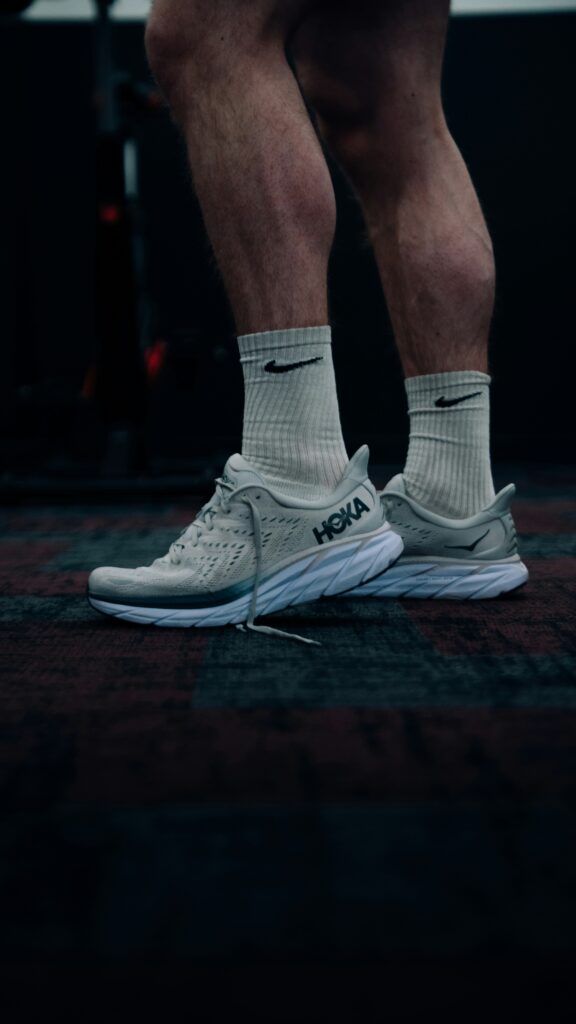
The original name, “HOKA ONE ONE,” means “to fly over the earth” in Māori—perfectly fitting the brand’s promise of lighter strides, softer landings, and running without pain. In 2021, the name was simplified to HOKA, a bolder and clearer expression of its meaning: to fly.
Marketing Strategy and Brand Positioning
HOKA’s success didn’t come from massive ad budgets, but from smart positioning and community building.
- Creating a new category. Instead of competing head-on with Nike, HOKA created its own niche: the maximalist running shoe. While others said “less is more,” HOKA boldly claimed “more is better,” attracting attention and creating its own tribe of “HOKA people.”
- Community and experts. From the start, they worked with ultrarunners and elite athletes, but equally important was its connection with medical professionals. Doctors began recommending HOKAs to patients with foot problems, giving the brand medical credibility—far stronger than any ad.
- Expanding the portfolio. Initially focused on ultrarunners and trail athletes, HOKA later introduced lighter models for everyday runners and city dwellers. Shoes like the Clifton and Bondi became icons—comfortable, cushioned sneakers worn by amateurs and lifestyle users alike.

- Global communication. Campaigns like “Fly Human Fly” and “Together We Fly Higher” expressed the brand philosophy: HOKA doesn’t just sell shoes—it promises a better movement experience. Pop-up stores with 3D foot scans turned shopping into a community event, not just a purchase.
- Collaborations. The brand expanded reach through lifestyle and fashion tie-ins: Outdoor Voices added a lifestyle angle, Engineered Garments brought HOKA into high fashion, and Cotopaxi offered colorful, sustainable editions for eco-conscious consumers. Each collab refreshed the brand’s image.
HOKA Growth and Market Success
HOKA grew from a niche brand to a global market leader. Under Deckers, sales hit $2.33B in 2024, with growth expected around 20%. International sales surged, helping Deckers boost overseas revenue by nearly 50% that year.
HOKA’s strong position allowed Deckers to beat analyst expectations, with DTC (direct-to-consumer) channels becoming the main growth engine. The brand has become a cult favorite among athletes while also breaking into lifestyle markets. Today, HOKAs are worn by ultrarunners, marathoners, casual joggers, and everyday comfort-seekers alike.

Marketing-wise, HOKA shoes are no longer seen as “the weird alternative” but as the first choice for many. Retail, e-commerce, and community events now form a full ecosystem—HOKA sells not just shoes, but a lifestyle.
Challenges and Controversies Facing HOKA
- Cultural origins. The Māori name raised questions, as critics noted the brand hasn’t always been transparent about its cultural use, risking accusations of appropriation.
- Price. High cushioning and advanced tech make HOKAs expensive. In times of inflation, this can limit expansion as not all consumers are willing to pay more.
- Competition. HOKA’s success put maximal cushioning in the spotlight, with Nike, Adidas, and others following. HOKA must keep innovating to stay ahead.

- Localization. Global campaigns don’t always resonate the same way locally. Without proper cultural adaptation, messages may fail to connect with target audiences.
Key Marketing Lessons
- Create your own category. Don’t squeeze into existing frames—make a new niche.
- Authenticity beats advertising. Trusted voices—athletes and doctors—sell better than slogans.
- Good product first. Without comfort and durability, no strategy works.
- Differentiate, but keep evolving. Competitors will copy; constant innovation is key.
- Sell emotion, not specs. HOKA doesn’t pitch “millimeters of cushioning”—it promises lighter movement and a better life. That emotional promise is what wins customers.
Frequently Asked Questions
HOKA grew by targeting a niche audience (ultramarathon runners) with an innovative oversized sole design, then expanding to mainstream consumers. Their growth combined product innovation, strategic athlete partnerships, word-of-mouth from running communities, and expanding into lifestyle and fashion markets.
HOKA shoes became popular because they solved a real problem — providing maximum cushioning for long-distance runners — with a distinctive oversized sole design. This functional innovation created a recognizable silhouette that crossed over from performance running into fashion and everyday wear.
Related Reading on Shopping Scientists
Consumer Psychology Books Every Marketer Should Read | Patagonia: When Sustainability Becomes a Brand | Liquid Death: Building a Brand from Nothing