
Monzo Background and Origins
Monzo was founded in 2015 in the UK as a fintech company. From the start, the focus was on mobile banking. Initially, Monzo tested the market with prepaid cards, and in 2017 it received a full banking license and transitioned to offering full financial services.
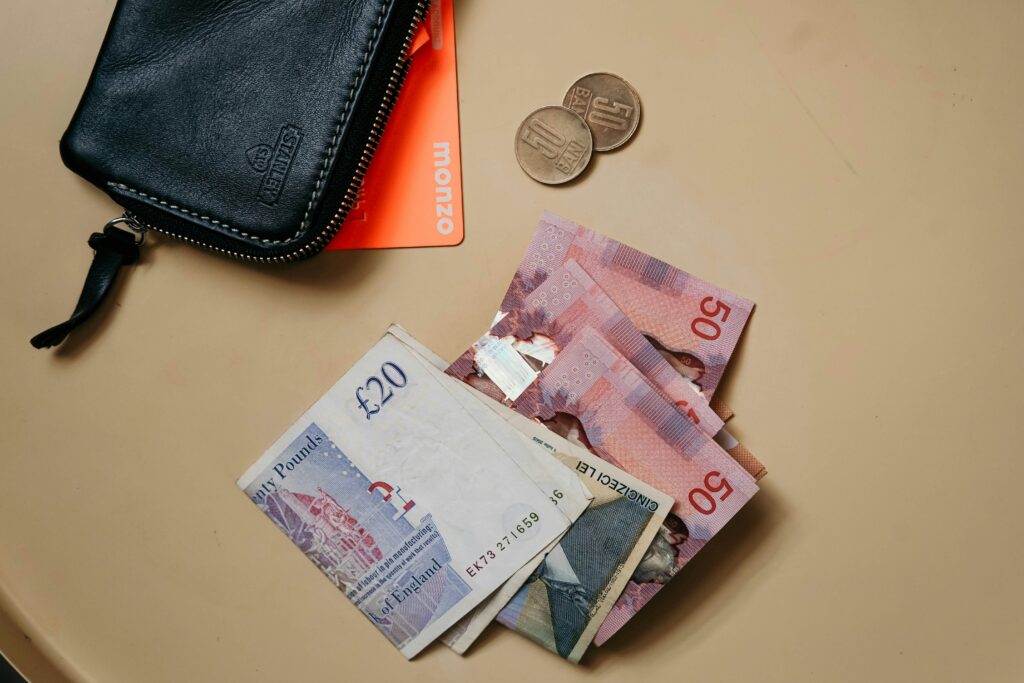
The brand stood out visually with its hot coral debit card, which generated buzz and visibility. Growth was driven by user experience: instant spending notifications, real-time budgeting, and easy peer-to-peer payments.
Two early growth pillars were community and transparency in product development. Roadmaps were shared openly, and user feedback shaped features. This approach fueled growth with little traditional advertising—customers themselves became the engine.

In 2017–2018, Monzo achieved breakout growth with its playful “Golden Ticket” system. Customers on the waitlist could invite a friend to skip the queue. Founder Tom Blomfield later said around 40% of 2017 sign-ups came through Golden Tickets. It cost Monzo nothing but created a powerful referral loop: happy users invited friends, and the waiting list reinforced perceived value.
The “Money Never Felt Like Monzo” Campaign
For its first five years, Monzo relied mainly on organic growth and referrals. In 2024, the bank shifted gears and launched its first major brand campaign in partnership with Uncommon Creative Studio: “Money Never Felt Like Monzo.”
Instead of highlighting features, the campaign contrasted financial stress and anxiety with the calm, positive experience Monzo customers described. In a 60-second spot, stress turned into peace: arguments into reconciliation, screeching chalk into harp strings, struggle into relaxation.
Outdoor executions followed the same logic: a broken toilet transformed into a fountain, blocks of ice into cozy slippers. Channels spanned TV, streaming, cinema, YouTube, outdoor, radio, podcasts, print, digital retail, and social media. Hot coral taxi wraps and full Liverpool Street station takeovers made Monzo unmissable in London.

The creative insight was simple: money usually causes stress, but Monzo customers consistently described feeling calmer. CMO AJ Coyne noted: “Across the country, money makes people feel stress and avoidance. But Monzo customers are seven times more likely to use the word love to describe us than any other bank.” This became the emotional heart of the campaign.
Monzo Marketing Strategy and Growth Approach
Monzo’s growth journey can be broken into stages:
- Stage 1 (2015–2018): Growth through product and playful scarcity (waitlists + Golden Tickets). Users did the marketing.
- Stage 2 (2018–2023): Focus on user experience as millions joined. In-app tools for budgeting, bill splitting, and notifications gave customers control and reduced money stress.
- Stage 3 (2024–2025): Brand-level communication with emotional clarity. The “Money Never Felt Like Monzo” platform unified channels and messaging. In early 2025, Monzo Business adopted the same brand language for SMEs.
Monzo Business Results and Campaign Impact
Financially, 2024 was a turning point:
- £15.4m profit before tax (first annual profit)
- Revenue up 48%, nearing £1.2bn
- Card payments +42% year-on-year
- Deposits up 88%, reaching £11.2bn
- 2.3m new customers, plus £500m in new capital raised
Campaign effectiveness:
- Zappi ranked “Money Never Felt Like Monzo” in the top 15% for short-term impact and top 30% for long-term brand effect in UK financial services.
- The ads performed significantly above average in distinctiveness and recall.
- Younger audiences responded more warmly than older segments.
By mid-2025, Monzo’s customer base exceeded 13 million. Around two-thirds of new sign-ups still came via word of mouth and referrals, showing that while the campaign boosted visibility, customer-driven growth remained the core engine.
Challenges and Criticism Facing Monzo
- Big bank perception. Some critics worried the mass campaign blurred Monzo’s challenger-bank identity, making it resemble traditional banks. Older audiences found the contrasting visual montage confusing.
- Customer support strain. Rapid growth increased pressure on fraud handling and dispute resolution, areas where reputation can turn negative if response times slip.
- Regulatory issues. In 2025, Monzo was fined £21m by regulators for past shortcomings in anti-financial-crime controls. While systems have since been strengthened, the case highlighted the need for compliance to scale alongside customer growth.
Key Marketing Lessons from Monzo’s Success
- Build with product first. Strong UX and transparency created advocacy before major media spend.
- Gamify growth. Scarcity and playful mechanics like Golden Tickets drove referrals at near-zero cost.
- Scale with consistency. The 2024 brand platform worked because it translated the same promise—stress-free money—into a broader narrative.
- Word of mouth endures. Even after 10 years, referrals remain the strongest growth driver.
- Balance brand and operations. Rapid scaling requires customer support and compliance to keep pace, or reputation risks arise.
Frequently Asked Questions
Monzo used several creative growth hacks including its distinctive coral-colored card (which sparked organic conversations), a viral referral waiting list that created urgency, transparent community engagement, and playful social media that made banking feel approachable. These tactics helped Monzo grow from a startup to a major UK bank.
Monzo’s bright coral debit card was so visually distinctive that it naturally started conversations whenever someone used it in public. This turned every transaction into a brand awareness moment — essentially making customers into walking advertisements without any ad spend.
Related Reading on Shopping Scientists
Shopping Psychology: Understanding Why People Buy | HOKA: From Startup to Billion-Dollar Brand | Bottega Veneta: The Brand That Quit Social Media