
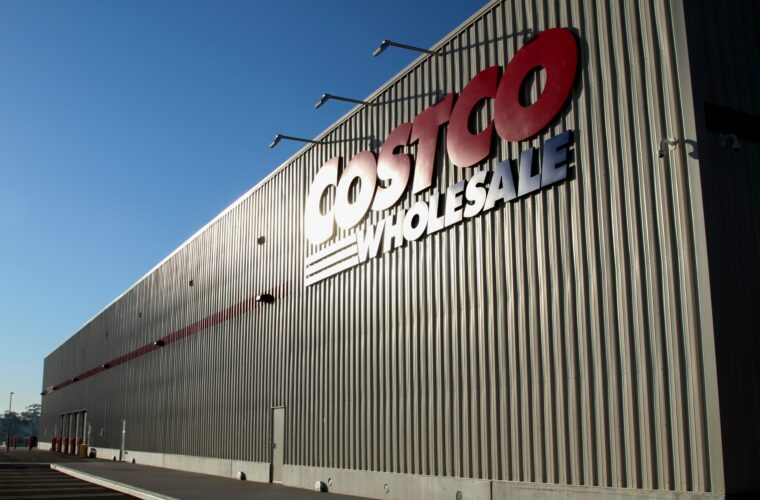
How a $1.50 Hot Dog Became Costco’s Most Powerful Marketing Tool
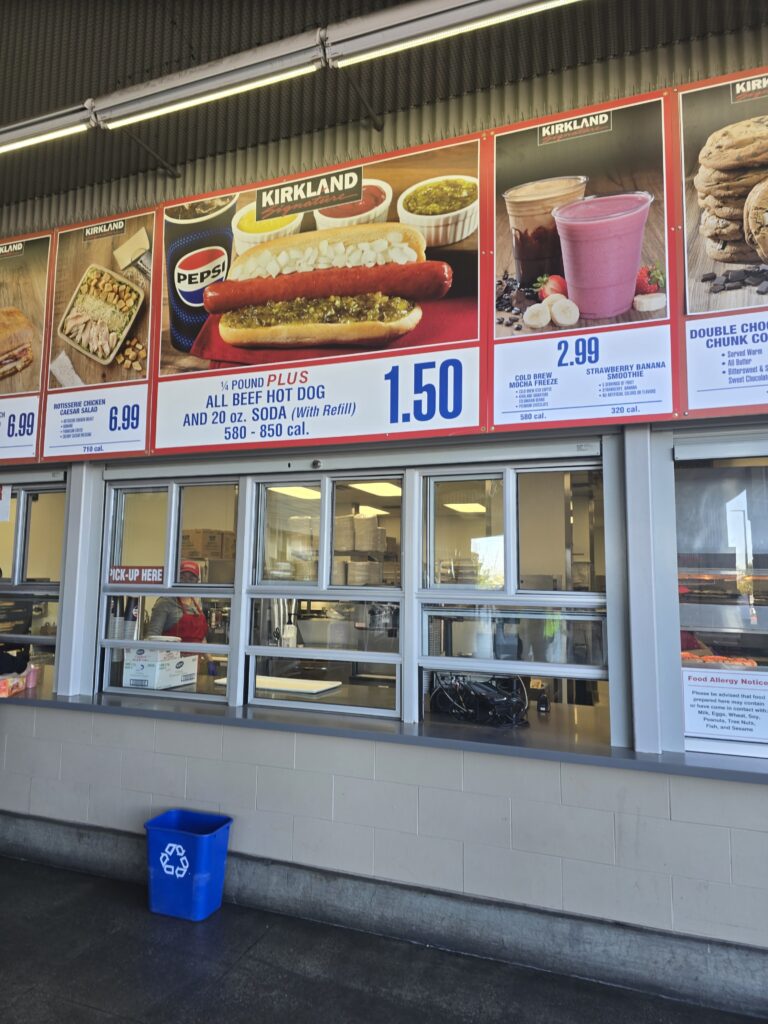
Costco is known for its membership-based retail model — to shop there, customers must pay an annual fee. The first Costco warehouse store opened in 1983 in the U.S. Not long after, they began offering a combo deal of a hot dog and a drink from food carts near the store entrance for just $1.50 — a convenient and cheap bite for Costco’s members.
By 1985, the hot dog combo became an official menu item, priced at $1.50 — including a large hot dog and a refillable soft drink. Even back then, it was a great deal, but few could have predicted it would become one of Costco’s most iconic symbols and marketing tools — except for one man: Costco co-founder James (Jim) Sinegal. He believed that if you keep costs low, prices fair, and customers happy, success will follow. The hot dog combo became a strategy to build customer loyalty.

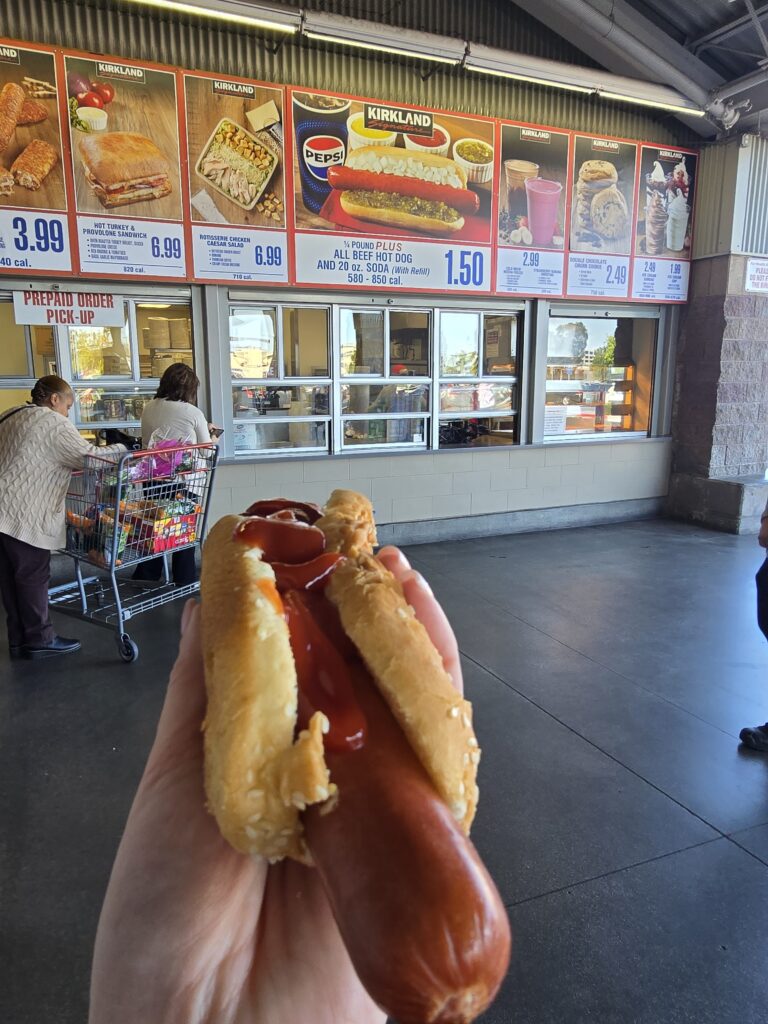
The Legendary Quote That Cemented a Brand Promise
Costco’s food court is often placed near the store exit, creating a welcoming atmosphere with irresistible food smells and prices. For many members, the cheap hot dog combo is a post-shopping tradition — a little treat at the end.
For Costco, this combo represents their unwavering promise to offer great value. It’s been a consistent message for decades: “We always have something incredibly affordable for you.” Of course, this also reflects smart marketing. The hot dog combo is a textbook “loss leader” — sold not for profit, but to draw people in, make them stay longer, and buy more. Costco believes that the combo builds more loyalty than a 25-cent profit ever could.
One legendary story highlights how seriously Costco takes the price. In the late 2000s, rising meat and input costs made the $1.50 combo increasingly unprofitable. Then-CEO Craig Jelinek brought up the idea of raising the price to co-founder Sinegal. His response was swift and firm: “If you raise the price of this damn hot dog, I’ll kill you.” Whether he was joking or not, the message was clear — raising the price was not an option. Find another way to cut costs.
Instead of raising prices, Costco pivoted production. In 2009, they began making their own hot dogs, opening a sausage factory in Los Angeles and later another near Chicago. In 2013, they switched from Coca-Cola to Pepsi to save on beverage costs, helping keep the combo at $1.50. Only in January 2025 did Coca-Cola return to Costco menus.
They even navigated local taxes creatively — when California added a sugar tax, Costco quietly replaced regular sodas with diet versions (which weren’t taxed), all to keep the price unchanged.
Why Losing Money on Hot Dogs Makes Costco Millions Elsewhere
A Loss That Pays Off
How much money does Costco lose on this? Each combo likely results in a loss of a few dozen cents, or at best, breaks even. But it’s a strategic investment in customer relationships. The combo is a marketing symbol, not a moneymaker.
Indirectly? A huge win. Costco sells over 100 million hot dogs a year. Every hot dog reinforces the brand promise: “Costco keeps prices low.” Shoppers return, make additional purchases, and renew their memberships.
As of late 2024, Costco had over 77 million paying members, with a renewal rate of nearly 90% — an impressive figure in retail. The hot dog isn’t the only reason, but the $1.50 combo has become a trust signal, reminding members: “Here, the prices stay fair.”
Happy members renew gladly. In 2023, membership fees brought Costco over $4.5 billion in revenue. That “hot dog loss” is more than offset elsewhere.
And investors? They’ve seen the long-term payoff. Costco’s disciplined strategy — including the famous cheap hot dog — has worked on Wall Street. In five years, Costco’s stock price tripled. In the 2023 Axios Harris Poll ranking brand reputations, Costco ranked 2nd among all U.S. companies. Consumers — and investors — believe in Costco’s promise. If they’ve held one price steady for nearly 40 years, they likely have customers’ and shareholders’ best interests in mind.
Debate and Criticism: Is the $1.50 Hot Dog Strategy Sustainable?
Of course, there’s debate over the $1.50 price. Some say it’s just a gimmick. Others argue that it’s subsidized by raising prices elsewhere. Some say it’s junk food and shouldn’t be glorified. But Costco doesn’t flinch. And any time someone dares suggest a price hike, leadership reiterates: not happening — the brand’s reputation is more valuable.
Health-conscious critics may complain Costco promotes unhealthy food. But the hot dog is optional. Meanwhile, the store shelves are packed with healthy choices, too. Most criticism comes from a business angle: Is it wise to sell below cost? Costco’s answer: Yes, if it keeps customers coming back.
Viral Fame: How One Quote Became Costco Lore
That infamous quote — “If you raise the price of the hot dog, I’ll kill you” — quickly became Costco folklore and went viral online. It inspired memes and T-shirts. It turned into word-of-mouth marketing gold.
Key Marketing Lessons from Costco’s $1.50 Hot Dog Legacy
- Protect your brand promise. If there’s one thing that defines your brand and customers talk about, don’t mess with it. The $1.50 hot dog is proof that consistency builds trust.
- Loyalty is more valuable than short-term profit. Losing 20 cents today is better than losing a loyal customer tomorrow. Long-term relationships matter more than margins.
- Cut costs, not corners. Costco didn’t raise prices, they built sausage factories. They optimized instead of compromising—action over excuses.
- Good marketing starts with actions. Costco doesn’t need to advertise the hot dog. The price does the talking. People spread the story themselves — no ad budget required.
Frequently Asked Questions
Why has the Costco hot dog stayed $1.50 since 1984?
Costco deliberately keeps the hot dog combo at $1.50 as a loss leader strategy. The low price drives foot traffic into warehouses, where members then spend significantly more on other products. Co-founder Jim Sinegal famously told CEO Craig Jelinek “If you raise the price of the effing hot dog, I will kill you” to emphasize the importance of this pricing commitment.
What is a loss leader strategy and how does Costco use it?
A loss leader strategy involves selling a product at or below cost to attract customers who will then purchase other, more profitable items. Costco uses the $1.50 hot dog combo as one of the most iconic loss leaders in retail history. The food court draws members into the store, increasing overall basket size and reinforcing the value perception of a Costco membership.
How many hot dogs does Costco sell per year?
Costco sells over 200 million hot dog combos annually across its warehouses worldwide. This massive volume, combined with vertical integration through their Kirkland Signature brand and in-house production facilities, helps keep costs manageable despite the extremely low retail price.
What business lessons can brands learn from Costco’s hot dog pricing?
Key lessons include the power of price anchoring to build brand trust, the long-term value of customer loyalty over short-term margins, the effectiveness of loss leaders when paired with a membership model, and the importance of vertical integration to control costs. Costco proves that sometimes the best pricing strategy is refusing to raise prices at all.
Related Reading on Shopping Scientists
Consumer Psychology: Why Pricing Matters | Disneyland: What Makes Consumers Spend? | Ryanair: Pricing Psychology in Airline Marketing