Background: Nine Years of Anger
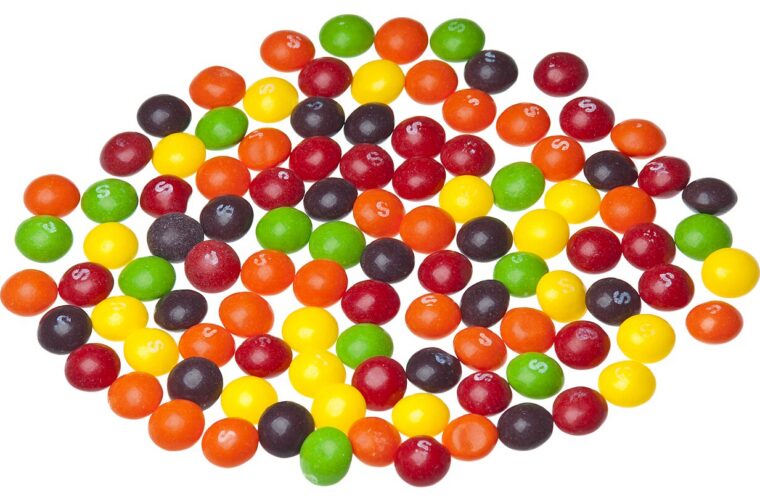
Skittles is the biggest non-chocolate candy brand in the US. But in 2013 Mars Wrigley made a decision that seemed sensible at the time: it replaced the green Skittle’s lime flavour with green apple. The reason was simple. In taste tests, most people preferred green apple. The data said the change was right.
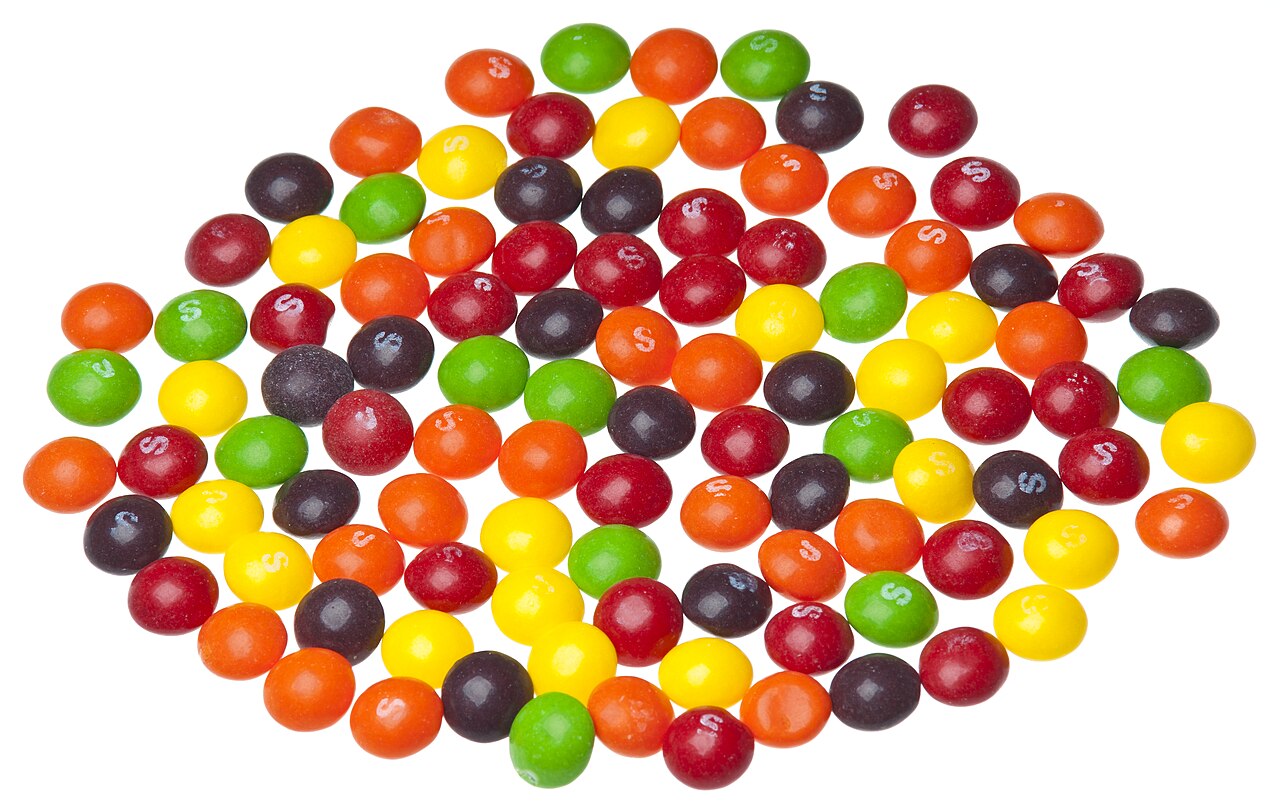
The data was wrong. Not in its numbers, but in what it measured. More important than taste was the emotional connection. Lime had been part of Skittles from the beginning, and people did not know they could not live without it until it was taken away. Nine years of public anger followed.
Every time Skittles posted anything on social media, on any subject at all, the comments filled with the same demand: “Bring back lime.” A Change.org petition gathered thousands of signatures. In total the Skittles team counted over 138,000 individual complaints online. This was not just feedback. It was nine years of collective rage.
Most brands would have ignored that anger or quietly brought the flavour back. Skittles and their agency DDB Chicago saw the basis for a campaign in it instead.
Campaign Description: The Big Apology
In March 2022 Skittles brought lime back. But not quietly, and not as an ordinary product launch. Instead the brand built the entire return around a single emotion: the apology.
The campaign was called “Apologize the Rainbow”, a deliberate turn on Skittles’ iconic line “Taste the Rainbow”. The idea was brutally simple: apologise personally to every single person who had ever complained online.
A Fake Press Conference on Twitch
The campaign opened with a fake press conference, streamed live on Twitch and X. A Skittles spokesperson stepped in front of the audience and announced officially: lime is coming back. But they did not stop there. They started reading out every individual complaint posted over nine years. Name after name.
138,880 Personal Apologies
Skittles sent each of the 138,880 people who had complained publicly a personal apology. Not a generic form letter, but a message addressed to that specific person. Everyone also received a free pack of lime Skittles.
A Times Square Billboard
A vast billboard went up in Times Square in New York, running the list of all 138,880 complainers’ names. Reading the list through took over ten hours. The billboard was simultaneously an apology, a piece of performance art, and a reminder: Skittles is listening.
The X Takeover
Skittles’ social channels also posted all 138,880 apologies on X, creating the longest series of social media posts in the brand’s history.
Strategy: Three Decisions
1. Turn anger into fuel, not a problem. Most brands treat negative feedback as something to be managed. DDB Chicago flipped it: nine years of anger was proof that people cared enough to be angry. That is more valuable to a brand than indifference. The campaign did not hide the anger or apologise for it. It used it as material.
2. Do not make a product announcement, make an emotion. Bringing lime back would have been a one-day news item on its own. The apology campaign turned it into a cultural event. People did not share the news that lime was back. They shared the experience of a brand apologising to them personally.
3. Use absurdity as the brand’s voice. Skittles has always been a strange brand. Its ads have been deliberately weird and unexpected for years. A fake press conference, a ten-hour reading of a list, and 138,880 individual apologies fitted that brand voice exactly. The absurdity was not a joke. It was Skittles’ way of being sincere.
Results and Impact
Business Results
- Sales of Skittles core products grew 7.4%, the highest sales result in the brand’s history in the US.
- That growth happened while Skittles’ distribution fell 15.2%, meaning fewer shops sold more candy.
- Velocity grew 14.9%. Consumers bought more often and more at a time.
Media and Social Impact
- Social conversation about lime Skittles grew 162% year on year.
- Brand mentions on X grew over 400% in the campaign’s first week.
- The campaign received massive earned media, with news outlets, YouTube commentators, and influencers covering it organically.
Awards
“Apologize the Rainbow” became one of the most awarded campaigns in the world:
- Effie Awards: Global Grand Effie 2024, plus gold, silver, and bronze.
- Cannes Lions: 4 gold, 1 silver, 3 bronze.
- D&AD: 2 Yellow Pencils, 1 Graphite Pencil, 4 Wood Pencils.
- The One Show: 2 gold, 2 bronze.
- Clio Awards: 5 gold, 2 bronze.
- Andy Awards: Grandy, the top prize, plus 3 gold.
- New York Festivals: Grand Award, 3 gold, 3 silver, 3 bronze.
Criticism
A self-inflicted problem, self-solved. Critics noted that Skittles created the nine-year crisis themselves. They decided to change the flavour and they decided to bring it back. The campaign’s brilliance was in turning the admission of their own mistake into a marketing event. But the question remains: does a brand deserve credit for solving a problem it created?
The sincerity of the apology. 138,880 personal apologies sound impressive, but it was an automated process. No human sat down and wrote 138,880 letters. The campaign portrayed a personal approach while the execution was mass-produced. That does not necessarily reduce the impact, but it raises a question about the limits of sincerity in marketing.
Copyability. After the success of “Apologize the Rainbow”, several brands have tried a similar approach: admit a mistake, apologise publicly, make a campaign out of it. The format works, but only when the emotion is genuine. Skittles’ complaints were nine years of organic anger. You cannot manufacture that.
Lessons Learned
1. Negative feedback is proof that people care. The worst thing that can happen to a brand is not anger, it is indifference. If 138,880 people spend time telling you online that you made a mistake, you have 138,880 people who care enough to react. A marketer’s job is not to suppress negative feedback but to understand what is behind it.
2. A product announcement is not a campaign. Bringing the flavour back would have been a line in a press release. The emotional framing, the apology, turned it into a story people wanted to share. In marketing the question is not “what is changing” but “how do we talk about it”. Same news, two completely different outcomes.
3. Absurdity works when it belongs to the brand. A fake press conference, a ten-hour list reading, 138,880 individual letters. All of it absurd. But it is Skittles absurd. A brand whose ads have featured talking zebras and rainbow magic for years can afford a fake press conference. What matters is that absurdity and sincerity were not in conflict. The campaign was funny and serious at the same time.
4. Data alone does not tell you what the consumer values. The 2013 taste test showed green apple was more popular. The number was correct. But the number measured the wrong thing. It measured preference between isolated flavours, not emotional connection to the brand’s history. That is a warning to any marketer making decisions purely on A/B tests: sometimes the most important thing is what the test does not measure.
5. Effectiveness and creativity are not opposites. “Apologize the Rainbow” won both an Effie, an effectiveness award, and Cannes Lions and D&AD, creative awards. That is rare. Most campaigns win one or the other. With Skittles, creativity and sales results were not separate goals. The creative approach was what grew sales. The best marketing does not choose between entertainment and results. It does both at once.
Frequently Asked Questions
What was the Skittles Apologize the Rainbow campaign?
A 2022 campaign marking the return of lime Skittles, in which the brand apologised individually to all 138,880 people who had complained online about the flavour being removed in 2013, via personal messages, a Times Square billboard, and a fake Twitch press conference.
Why did Skittles remove lime in the first place?
Taste tests in 2013 showed most people preferred green apple. The data was accurate but measured isolated flavour preference rather than emotional attachment to the brand’s history.
Did the campaign work commercially?
Yes. Core product sales grew 7.4%, the highest in the brand’s US history, and velocity grew 14.9%, achieved while distribution actually fell 15.2%.
What is the main criticism of the campaign?
That Skittles created the problem itself, and that the 138,880 “personal” apologies were automated rather than individually written, which sits awkwardly with a campaign built on sincerity.
Related Reading on Shopping Scientists
- Ryanair vs Elon Musk: How to Turn an Insult into a Sales Campaign – another brand that made criticism the campaign.
- The $1.50 Costco Hotdog Since 1984 – what happens when you refuse to change the thing people love.
- The Science of Shopping Behavior and 10 Must-Read Books – why the test result is not the whole answer.