Campaigns with a sound identity are 8.53x more effective than visual-only ones. Budweiser, Oreo and Spotify proved it, and one of them ended up publicly apologising.


Why we Buy and How to Make People Buy More?
Why we Buy and How to Make People Buy More?
Campaigns with a sound identity are 8.53x more effective than visual-only ones. Budweiser, Oreo and Spotify proved it, and one of them ended up publicly apologising.
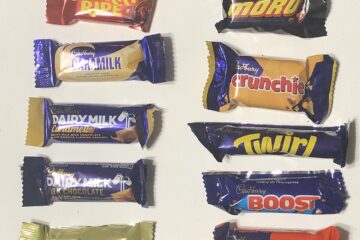
KitKat hijacked the skip button. Tony’s copied rival wrappers. Toblerone made its shape a personality. Three chocolate campaigns, with the numbers.

SPANX was valued at 1.2 billion dollars in 2021. SKIMS hit 5 billion in 2025. Same category, opposite playbooks, and only one changed the rules.
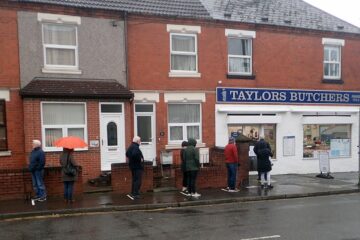
Jellycat revenue grew 70% to GBP 333m while the toy market shrank. Retirement dates, staged pop-ups and a billion TikTok views it never paid for.
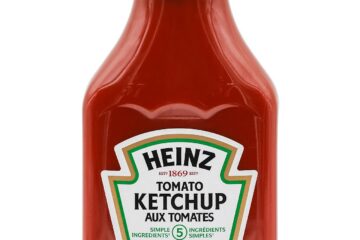
Restaurants refilled Heinz bottles with cheap ketchup. Heinz made it a public crime scene instead of hiding it. Sales rose 8%, plus 33 new contracts.

A 73-metre trunk facade, a truck that rewrites itself every block, and a fake Tube train with eyelashes. Three impossible ads, three very different strategies.

Kellogg’s spent GBP 12m bringing Cornelius the Cockerel back. System1 scored it 3.8 stars and 150 million Europeans saw it. What worked, what didn’t.

WWF grew its email list 600% with an AI quiz. Flood-scarred concrete raised EUR 45,000 for dog shelters. Three KIAF-winning charity marketing campaigns, broken down.

Marta Puerto lost her marketing job. Instead of sending another CV, she turned herself into a marketing campaign. One million views and hundreds of job offers later, her story became the sharpest case study in personal branding when AI is coming for your desk.
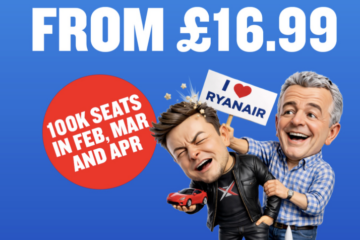
When Elon Musk called Ryanair’s CEO an “idiot,” the airline turned the insult into a viral sales campaign. Discover the shopping science behind Ryanair’s controversial marketing masterclass — from newsjacking and self-irony to customer roasting — and why it keeps driving bookings.