Background: A Famous Name With Falling Numbers
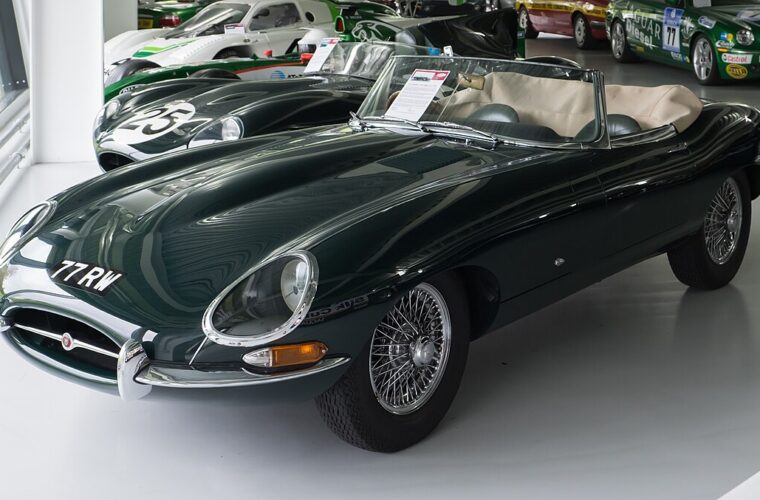
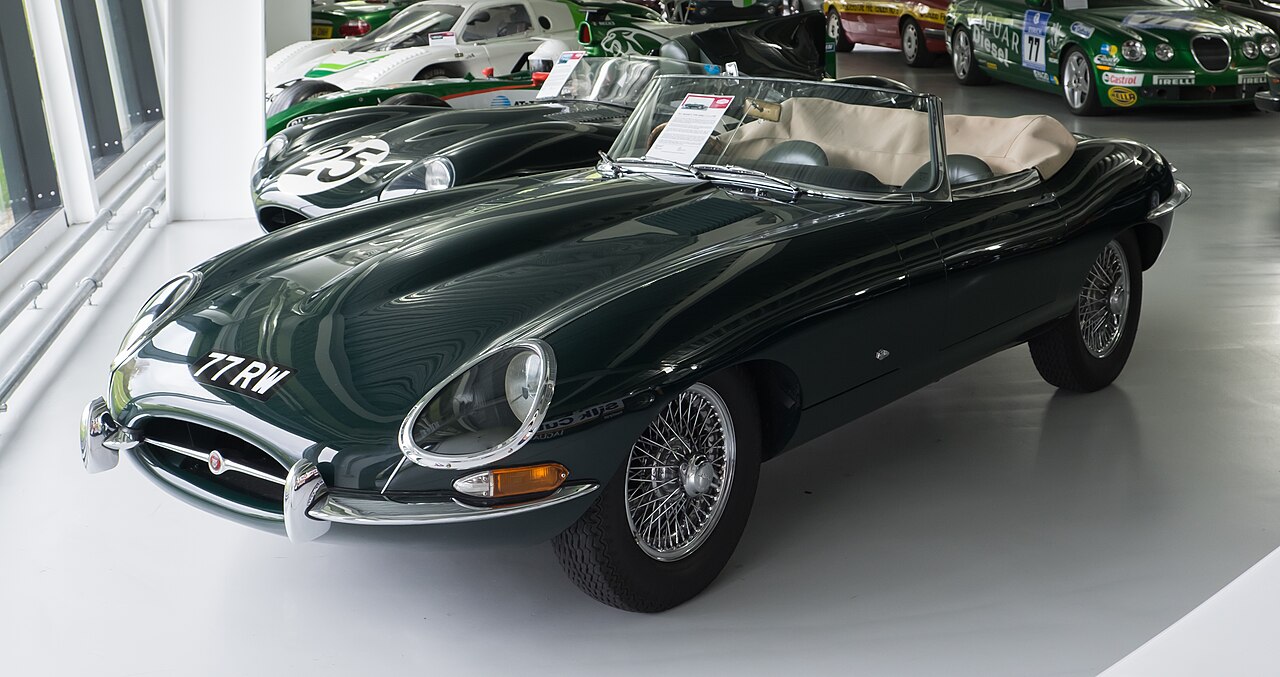
Jaguar is one of the most famous names in British car manufacturing. Founded in 1922, known for elegant design and sportiness. James Bond’s car, a British classic, and a brand people know even if they do not buy cars.
But Jaguar’s sales had been falling for years. In 2023 Jaguar sold under 30,000 cars in Europe, a negligible number in the premium segment next to BMW, Mercedes, or Audi. In 2024 parent company JLR, owned by India’s Tata Motors, decided Jaguar needed a complete change and a fresh start.
The plan was ambitious: end all existing models, move entirely to electric, and position Jaguar in the ultra-luxury segment. No longer competing with BMW but with Bentley and Rolls-Royce. Car prices would start at 100,000 euros. A completely new identity was created and Jaguar began marketing to an entirely different audience.
The decision itself may not have been wrong. The problem was in the communication.
Campaign Description
18 November 2024: Day Zero on Social Media
The fresh start began with Jaguar deleting all of its social media content. Years of posts, customer comments, and brand stories went in the bin. Every post disappeared in one day and emptiness replaced it.
The Ad: 32 Seconds Without a Car
Then came a 32-second ad. It showed models in brightly coloured avant-garde clothing in pink geometric landscapes. They posed with hammers and paintbrushes. Not a single car appeared for the whole video. A car brand’s ad without a car.
The video ended with a new line: “Copy Nothing.” The old leaping jaguar logo was gone, replaced by a minimalist wordmark in new type.
Who Made It
The campaign was created by Accenture Song, the creative arm of the global consultancy, working with JLR’s in-house agency Spark44. The design lead was Gerry McGovern.
Strategy
1. A complete break with the past. Jaguar wanted rebirth rather than renewal. The entire existing audience, the entire existing visual language, the entire existing positioning had to become history. The new Jaguar does not talk to old Jaguar buyers but to new ultra-wealthy consumers who want something different.
2. Identity before product. Jaguar decided to show the brand identity first and the car only later. The logic was to create interest and emotion first, then show the product. In fashion that often works. In the car world it had not been tried this way before.
3. Provocation as an attention device. Jaguar managing director Rawdon Glover said afterwards: “More people have talked about Jaguar in the last two weeks than god knows how long.” The shock was intentional. Better that they talk angrily than not at all.
Results and Impact
The reception was stormy within the first 48 hours. The ad gathered over 160 million views, and the symbol of the whole crisis became Elon Musk’s four-word comment on X: “Do you sell cars?” The German paper Bild ran a poll with nearly 18,000 participants in which 93% called the new direction “creepy”. Donald Trump and Nigel Farage criticised the campaign publicly.
Sales figures gave critics more momentum. Where 1,961 Jaguars were registered in Europe in April 2024, April 2025 saw just 49, a fall of 97.5%. In May the annual decline was 93.6%, and sales for the whole first half of 2025 were 77.8% below the previous year.
Jaguar explained that the sales fall was partly a deliberate strategic decision, since production of existing models had ended and the new electric cars had not yet reached the market. That explanation is technically correct, but the public and consumers feel sales numbers rather than a company’s internal transition plans.
Not every indicator was negative. Jaguar’s web traffic grew 110%, brand awareness rose 23%, and 20% more people started considering Jaguar a premium brand worth paying more for.
The consequences reached inside the organisation. Design chief Gerry McGovern left the company, and Jaguar began reviewing its global creative account, looking for a possible replacement for Accenture Song. The Accenture Song contract officially runs to mid-2026, but the partnership has effectively ended.
Criticism
Product before identity, not the other way round. In the car industry people buy a product. Jaguar tried a fashion world approach in an industry where people want to see what they get for 100,000 euros. Identity without a product feels like an empty promise to a future customer.
The price of destroying heritage. Jaguar deleted its entire social media history, stating that everything you associated with Jaguar until now is over. But a brand’s heritage is not the company’s property. It is the customers’ memory. When you delete your history, you also delete your customers’ connection to the brand.
The impact of Musk’s four words. “Do you sell cars?” was the question in the mind of everyone who saw the new Jaguar video. Musk wrote it on social media first and it became the name of the whole crisis and the meme. Jaguar replied politely and invited him to Miami for tea. Musk did not come. But more people saw his four-word tweet than saw Jaguar’s entire campaign.
Do the data show success or failure? There is a contradiction here. Web traffic +110%, brand awareness +23%, perceived value +20%. Those are good numbers in themselves. But at the same time there is a 97.5% sales collapse, a fired design chief, and an agency being replaced. The data does not give a single answer.
Jaguar is currently a Schrödinger brand: simultaneously successful and failed, depending on what you measure.
Apple 2024 versus Jaguar 2024. In 2024 we saw two mega-brand crises: Apple’s “Crush!” and Jaguar’s rebrand. Both made the same mistake of not accounting for the environment and their existing customers. Apple did not understand that a hydraulic press activates AI fear. Jaguar did not understand that a video without a car activates the “this brand is dead” narrative. The context you send your message into determines its meaning.
Lessons Learned
1. Show the product before the identity. If you sell a 100,000-euro product, you have to show it. Mystery works in fashion, because a garment costs around 200 euros and the risk is small. With a car the buyer wants to know what they get. Jaguar showed identity and asked the audience to wait for the product. Nobody waited, the audience moved on.
2. Do not ask customers whether they want to be rid of you. Deleting your entire social media history is a message: your memories do not count. But a brand does not belong to the company. A brand lives in customers’ heads and emotions. Deleting the history does not change the past. It just tells existing customers you do not want to talk to them any more.
3. Provocation only works if you have something to show immediately. Glover said more people are talking about Jaguar than ever. That is true. But attention without a product is burning empty calories. Had Jaguar shown the car the same day, the campaign would have been different. Provocation needs an immediate resolution. Otherwise all that remains is confusion.
4. A consultancy is not a creative partner. Accenture Song is a business consultancy that also makes advertising. They think strategically and work from data. That works for optimising processes, but creating a brand identity demands a cultural sensitivity that spreadsheets do not give. Jaguar needed an agency partner who understands how people relate emotionally to car brands.
5. Data does not tell you whether you are right. Jaguar’s numbers show both: +110% web traffic AND -97.5% sales. The first electric cars come to market this year. Only then will it become clear whether the new audience Jaguar now wants to sell to actually buys. For now it stands as a lesson that a radical rebirth always has an interim period where you look like a failure. The question is whether the brand survives it.
Frequently Asked Questions
What happened with the Jaguar rebrand?
In November 2024 Jaguar deleted its social media history and released a 32-second ad featuring models in avant-garde clothing and no car at all, alongside a new “Copy Nothing” line and a minimalist wordmark replacing the leaping jaguar.
Why did Jaguar sales fall 97.5%?
Partly by design. Jaguar ended production of its existing models before the new electric cars reached market, so there was little to sell. But the timing meant the collapse became the story of the rebrand regardless of the explanation.
Was the Jaguar rebrand a failure?
It depends what you measure. Web traffic rose 110%, brand awareness 23%, and perceived premium value 20%. Sales fell 97.5%, the design chief left, and the agency is being replaced. Both sets of numbers are real.
What did Elon Musk say about the Jaguar rebrand?
Four words on X: “Do you sell cars?” It became the defining meme of the crisis, and reached more people than Jaguar’s own campaign.
Related Reading on Shopping Scientists
- Apple “Crush!”: An Ad Can Crush Anything – the other 2024 mega-brand misfire, and the same underlying mistake.
- The Brand That Deleted Its Social Media – the same act, an entirely different outcome.
- Hoka: From Startup Idea to Billion Dollar Running Shoe Brand – repositioning that worked, and why.