The Ordinary put 49 meaningless beauty words in a periodic table. Vaseline paid its customers. Specsavers sold a hearing aid as intimacy tech.
Why we Buy and How to Make People Buy More?
Why we Buy and How to Make People Buy More?
The Ordinary put 49 meaningless beauty words in a periodic table. Vaseline paid its customers. Specsavers sold a hearing aid as intimacy tech.
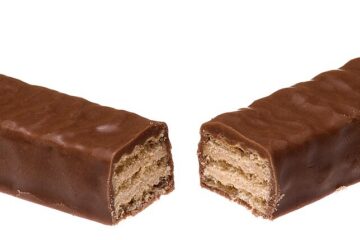
12 tonnes of chocolate stolen. A decade of copycats. Brutal Reddit reviews. KitKat, Clash Royale and Dove each called the marketing team instead of the lawyers.
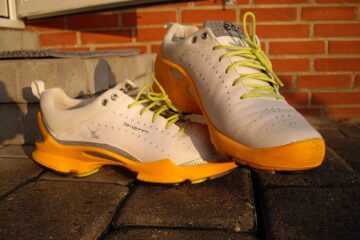
No AI, no chips, no app. Adidas spent three years building a running shoe with disabled athletes. 42% of buyers were new customers.
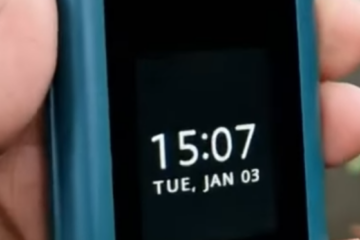
70,000 people wanted a flip phone with no internet and no camera. Only 5,000 existed. Heineken paid nothing for media and got 7.1 billion impressions.
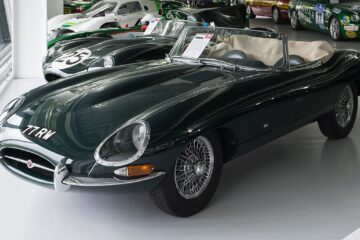
Jaguar deleted its social history and ran a car ad with no car. Web traffic rose 110%, brand awareness 23%, and European sales fell 97.5%. Both numbers are real.
ALDI’s Aldidas trainers cost 5 euros, look like Adidas and sold out in minutes, then resold on eBay for 40. How the collection actually worked.
Apple crushed a piano, a guitar and a camera into an iPad. Two days later it apologised and pulled the TV campaign. Samsung answered within a week.
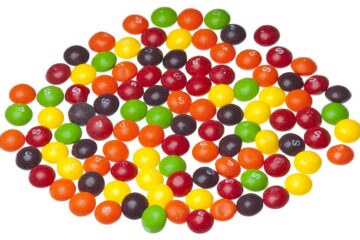
Skittles removed lime in 2013 and got nine years of anger. Then it apologised to all 138,880 complainers by name. Sales rose 7.4%, a brand record.
Duolingo killed its owl with a Cybertruck. Two weeks later: 1.7 billion impressions, 38% download growth and 5 billion lessons completed. Plus one credit dispute.
Only 2% of women called themselves beautiful. Dove built a 20-year platform on that number and doubled sales in three years. It still cannot answer one question.