
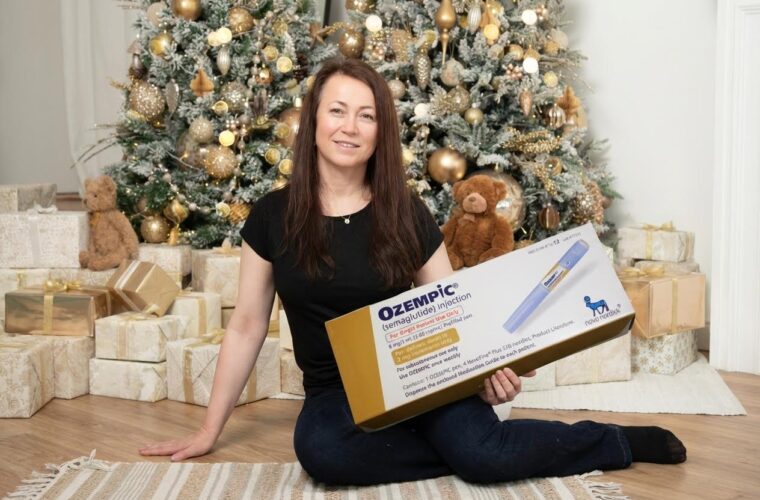
The biggest change in marketing this year will not be born in an agency or inside an algorithm.
Our work will not be shaken by new social media platforms or yet another AI tool. The change is happening right in front of our eyes, here and now, in the local community pharmacy on the
corner. The lady pharmacist or the gentleman behind the counter is about to influence
marketers’ working lives more than any conference or trend report. Ozempic and other
weight-loss drugs have quietly turned upside down how people feel about themselves. This is
changing, and through that, the relationship between consumers, brands, and marketing is
changing as well.

The Ozempic era: marketing has to look in the mirror
Ozempic and other GLP-1 drugs, designed to control blood sugar and body weight, are
changing the marketing world more than we want to admit. They are changing the way a person relates to themselves, and that throws the whole field off its old game.
For decades, marketing has operated on one simple logic: a person must be lacking something. You’re not yet in good enough shape, not happy enough and not successful enough, and an entire food chain has been built on that feeling. That feeling has built up all diet products, beauty ideals, workout plans, drink ads that hint that “if you drink this, you’ll be more fun and more free.” The food industry has added its own layer: “fewer calories”, “better than regular”, “eat without guilt”. Our field has often behaved like a bad therapist: first I create the problem and then I offer you the solution.
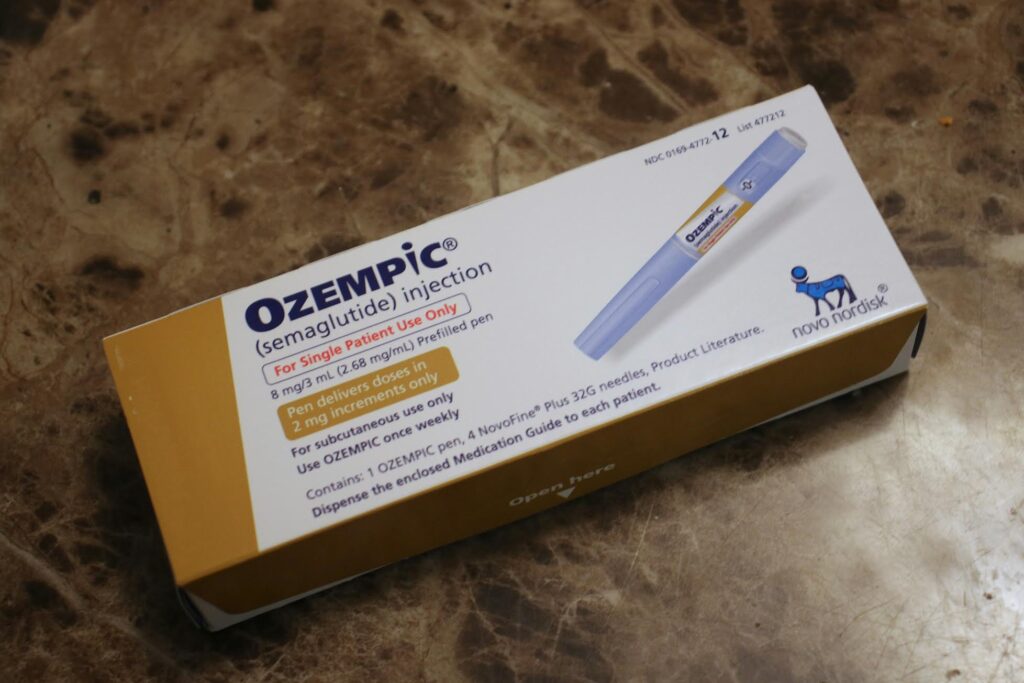
But when a drug appears that simply removes that feeling of “lack” without motivational slogans and a life-changing journey, the whole beauty of the game disappears. The person no longer needs a motivational message or a promise of “a better you”. They already feel better, and not because of the brand and its image. We are heading towards a moment where we have to be quiet for a second and ask: what do we build our marketing message on now?
When the promise of a “better me” no longer works
The old “aspiration economy”, the world where a person constantly wanted to become
something better, is starting to collapse with a loud crash. Right now, it is only cracking, but a
bigger bang is coming. When the result is already there, there is no reason to sell the dream
anymore. This does not mean that people are perfect or without problems, but that the old sales arguments no longer sound believable.
All of this touches much more than just weight loss. If a person no longer defines themselves
through what they lack, their relationship with brands changes. They are not looking for
validation, but practicality. “Make my life easier” is the new “make my life better”. The person
does not want to buy feelings anymore; they want the thing to simply work.
Marketing has lived off emotions. Now we are in a situation where emotion no longer sells as
well. It’s not that consumers have become numb, but that they have seen through the game
where they are being motivated through a sense of lack. It is a bit like the moment when, as an adult, someone realises that those dreams of figure skating or tennis were never actually theirs, but their parent’s unfulfilled ambitions. The same realisation is hitting consumers: that “push a little more” has not been their goal, but someone else’s interest.
The new drugs are changing not only bodies but also mindsets. When a person realizes that
results can come in a simple and stable way, they no longer want to hear that they have to
reshape themselves, pull themselves together, and change. They do not need a brand to tell
them they are worth more; they know that themselves. This takes away from advertising one of its long-time tools: skillful prodding through a small dose of insecurity.
Where marketing used to sell change, now it has to sell a product that simply works. A simple
idea, but a painful truth for many. Slogans built around self-development or identity no longer
sound convincing. “Become the best version of yourself” is an empty sentence. A person wants to know whether the product works, how long it works, and whether it is worth the price.
This direction not only affects the health industry. The same pattern is repeated in fashion, beauty products, the food sector, and luxury brands. If the consumer no longer feels the need to compensate for something, the brand has to offer something else: good old trust, honesty and functionality. It sounds like old-school marketing, where advertising stood on quality, not on a feeling. But maybe it is time to go back there.
A new prescription for marketing
Ozempic is our rapid test, not medically but ethically. If your message cannot stand without
manipulation, then the problem lies in the message, not in the customer. If a product needs an emotional trick in order to sell, then maybe that product is no longer competitive.
Advertising will not disappear, but the old game is over. A new rulebook is coming, where
honesty, results and quiet professionalism are valued. Where earlier we used to say “you can do it”, it is enough for the consumer to have confirmation that “this works”.

Maybe Ozempic is the healthiest change that has happened to marketing in the last decade. It brings us back down to earth. As Oskar Luts’ pharmacist already knew long ago – “everything must be in moderation.” Too much motivation, too much emotion and too many promises wear out quickly. It is time for marketing to write itself a new prescription: fewer promises, more effectiveness.
Read more of Shopping Scientist stories HERE.
Frequently Asked Questions
The rise of GLP-1 drugs like Ozempic is fundamentally changing consumer behavior by reducing impulse buying and altering food cravings. This pharmaceutical shift is having ripple effects across the food, beverage, and retail industries as appetite suppression changes how and what people purchase.
The ‘Ozempic effect’ refers to the broader impact of GLP-1 weight loss drugs on consumer spending patterns. As millions of users experience reduced appetite and impulse control changes, industries from snack foods to fashion retail are seeing shifts in purchasing behavior and demand.
Related Reading on Shopping Scientists
The Science Behind Why We Buy | The Psychology Behind Costco Pricing | How Patagonia Turned Anti-Consumerism Into a Brand