Why Graubünden’s Hidden Villages Struggled to Attract Tourists
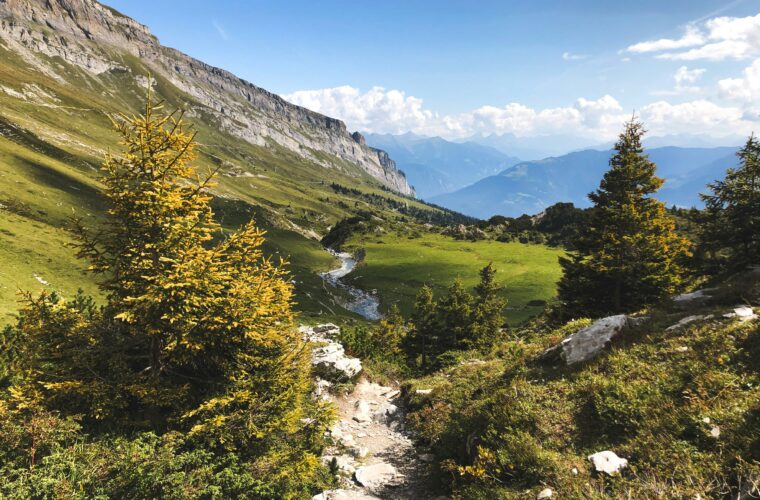
Graubünden is Switzerland’s largest canton, covering around 7,100 km². Despite its size and breathtaking landscapes — glaciers, high alpine meadows, deep valleys, and countless hiking trails — it didn’t attract tourists for years.
Why?
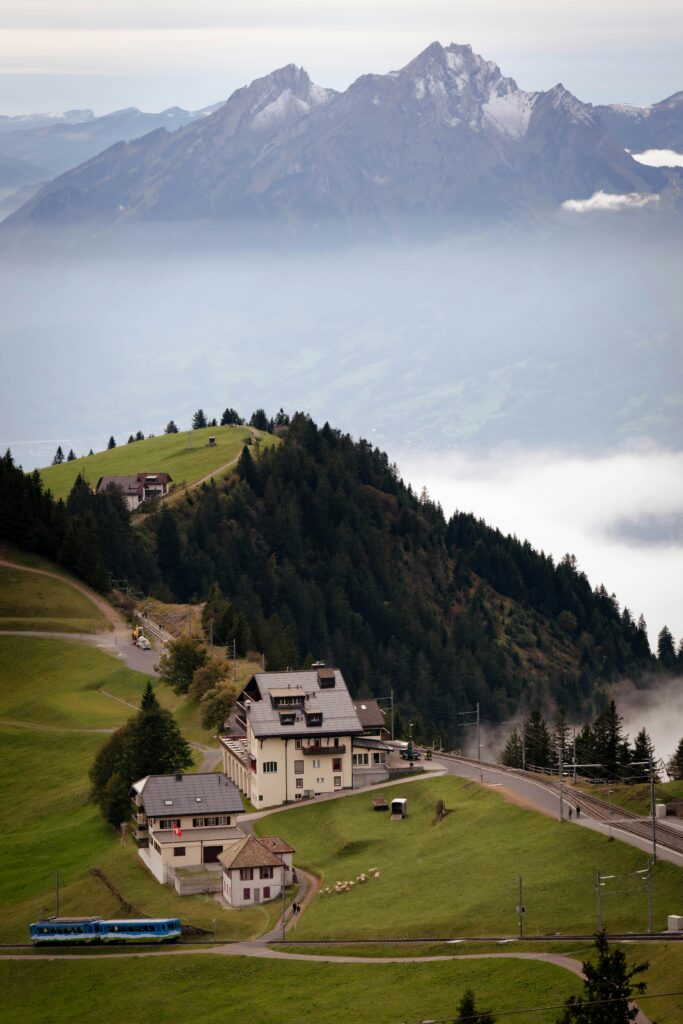
Although Graubünden includes famous destinations like St. Moritz, Davos, and Arosa, smaller, lesser-known villages in the same region, like Vrin and Bergün, were almost entirely overlooked. These villages were either unknown to tourists or too remote and lacked the glamor that attracts luxury travelers. Meanwhile, these communities were on the brink of extinction: locals were leaving, the economy was stagnant, and younger generations had little reason to stay.
Graubünden’s tourism board faced a major structural challenge:
- The canton received roughly 6 million overnight stays annually,
- But tiny villages contributed only a tiny fraction of that.
- Tourism was concentrated in big resorts, creating seasonal overload and regional inequality.
Despite postcard-perfect beauty, traditional ads and brochures were no longer effective. Urban dwellers, especially in Zurich and Basel, were overwhelmed by ads and exhausted by city life. This contrast between urban stress and rural peace was going unused — until the tourism board decided to take a radically different approach.
Tourism Campaign Objective: Redefining the Modern Vacation
Both campaigns had one simple mission:
To get people to notice and visit Swiss mountain villages they’d never heard of. Not just to boost tourist numbers, but to offer something different — silence, calm, and nature that a busy city can’t provide.
The goal wasn’t just visibility. It was to challenge the very idea of what a good vacation looks like. It doesn’t have to be a fancy spa hotel or a ski resort perfect for Instagram. Sometimes the best break is in a place without noise, crowds, or even solid mobile coverage, but with fresh air, quiet, and the feeling of truly being present.
The marketing had to be different — not the usual “come, see, book,” but something that would make people stop, think, and maybe even jump on a train.
‘The Great Escape’ – A Live Invitation to Rural Switzerland (2015)
In summer 2015, a digital screen was installed at Zurich’s main train station, offering a live connection to the village of Vrin. On the other side of the screen sat Ernst, a calm and friendly local man, who would personally invite passersby:
“Come to Vrin today! Look how beautiful it is! Jump on a train and come stay in the mountains with me!”
A printer beside the screen gave out free train tickets to anyone who interacted with Ernst.
If someone said they couldn’t miss work or school, Ernst offered to personally call their boss or teacher to excuse them, which he actually did, live on camera, right there in the train station.
The experience was so genuine and surprising that people’s reactions were completely authentic. The campaign was filmed and edited for social media, where it quickly went viral, reaching far beyond Switzerland and gaining the kind of attention no travel brochure could ever achieve.
‘The Photography Ban’ – How Absurdity Fueled Global Attention (2017)
In 2017, the same agency launched a second campaign for the village of Bergün. At its core was a deliberately absurd but brilliant message: Bergün had banned photography, claiming the local scenery was “too beautiful”, and photos of it might make people elsewhere feel sad or left out.
Although this “law” was symbolic and not legally enforced, it made international headlines. Major outlets like BBC, The Guardian, CNN, Time, and many others called it one of the strangest news stories of the year.
And that was exactly the point: to put Bergün on the global map. It worked. The campaign not only went viral but also won the D&AD Yellow Pencil award in 2019 for media creativity.
Results: Measuring the Impact of Creative Rural Tourism Campaigns
“The Great Escape”
- Around 30 people accepted the free trip on campaign day and visited Ernst in Vrin.
- The campaign video was watched by over 11 million people online.
- Media coverage reached over 80 million impressions, including major international media.
- Won multiple marketing awards, including Cannes Lions Gold and a Webby Award.
“The Photography Ban”
- Featured in major media outlets across 40+ countries.
- Awarded by D&AD for media strategy and PR brilliance.
- Boosted Bergün’s visibility and tourism significantly, despite the ban being symbolic.
Criticism and Questions: Was the Attention Sustainable?
While both campaigns garnered massive attention, they also faced criticism. Some questioned whether such theatrical and PR-driven tactics could deliver lasting impact, or if they were just short-lived media stunts.
Was the spike in visibility enough to generate sustainable tourism growth, like more overnight stays and bookings?
While exact ROI figures are hard to pin down, post-campaign data showed growth:
- Vrin: No official overnight stay data published, but visibly more popular than a decade ago. It’s become a destination for mindful urban travelers seeking quiet and authenticity. Locals have intentionally kept tourism at a controlled level to preserve the village’s character.
- Bergün: More clearly represented in tourism stats, thanks to its sledding trail, Albula railway, and railway museum. While 2024 visitor numbers haven’t been officially released, local businesses report record-high bookings, especially during winter. The “photo ban” helped reposition the village as one of Switzerland’s “hidden gems.”
Together, these cases show that even with limited budgets and small destinations, well-crafted creative ideas can generate real and lasting results, not just visibility, but actual engagement and new visitor segments.
Unexpected Success Story: How Ernst Became the Face of Swiss Village Tourism
The unexpected star of “The Great Escape” was mountain man Ernst, who became a social media favorite overnight. His warm demeanor and sincere calls to bosses and teachers made him a symbol of Swiss mountain tourism, and of authentic, “un-marketed marketing.”
Key Takeaways: What Marketers Can Learn from These Campaigns
- Creativity that shocks or surprises gets noticed. Bold ideas, even seemingly absurd ones, can break through the global media noise.
- Authenticity beats perfectly polished media. Ernst’s heartfelt videos touched people more than any perfect advertisement image ever could.
- Symbols and stories sell. Whether it’s an uncle from the mountains or a fake photo ban, if people connect emotionally, the message spreads organically.
4. Well-orchestrated PR can put a tiny village on the global map.
And one final thought for all tourism marketers:
These campaigns happened nearly a decade ago. Today, with the rise of AI and real-time connectivity, creating similar, or even more immersive, experiences is far easier and cheaper. In 2015, live-streaming from a train station was a groundbreaking development. Now, it’s almost trivial.
So the real question is no longer “Can we do this?” but: “Do we dare to do something that doesn’t look like a boring, typical ad?”
Frequently Asked Questions
Swiss mountain villages have used innovative campaigns including ‘The Great Escape’ (inviting stressed city workers to disconnect) and a controversial photography ban (restricting Instagram photos of scenic views to create exclusivity and intrigue). Both campaigns generated global media attention for tiny communities.
Small destinations can compete by creating remarkable, shareable stories rather than trying to outspend larger competitors on advertising. Stunts, restrictions, and unique experiences generate earned media coverage that money cannot buy, as demonstrated by Swiss villages attracting global press with creative campaigns.
Related Reading on Shopping Scientists
Consumer Psychology: Why We Buy What We Buy | Disneyland: The Psychology of Tourist Spending | Hilton TikTok: Reinventing Travel Marketing